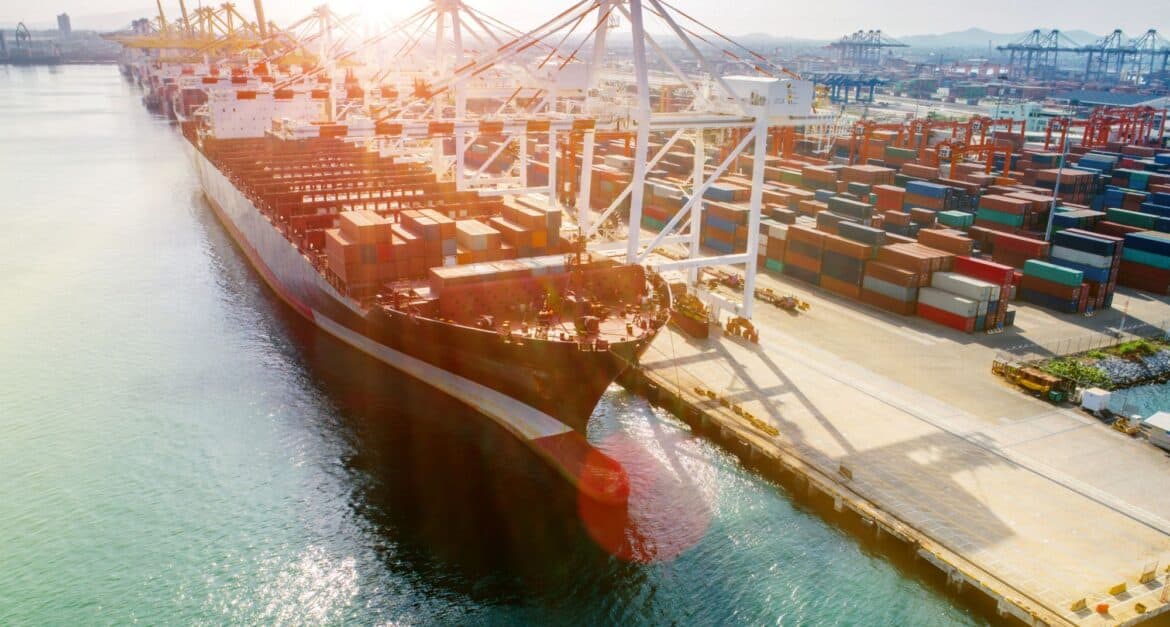
International freight forwarding presents vast opportunities—but it also comes with a unique set of challenges. As global trade routes evolve and customer expectations rise, forwarders must constantly adapt to remain competitive and compliant.
- Regulatory Complexities
Navigating customs regulations, trade agreements, and documentation requirements across multiple countries can lead to delays and added costs. Staying informed and leveraging compliance software helps mitigate these risks.
- Port Congestion & Delays
Congested ports and limited container availability often disrupt schedules. Building strong carrier relationships and using alternative routing strategies are essential to maintaining reliability.
- Currency & Payment Risks
Fluctuating exchange rates and international payment processing can impact margins. Forwarders should use hedging strategies and transparent invoicing to manage these issues effectively.
- Geopolitical & Economic Instability
Sanctions, trade disputes, and regional conflicts can drastically affect shipping routes. A resilient, diversified network and flexible service offerings help manage these external pressures.
- Technology Gaps
Smaller forwarders may lag in adopting digital tools. Embracing scalable technology platforms enables automation, visibility, and better service at lower cost.
- Cybersecurity Threats
As operations move online, data breaches and cyberattacks become real risks. Prioritizing cybersecurity protocols and staff training is key to protecting systems and client trust.
While international freight forwarding is filled with complex variables, it also presents the chance for strategic growth. By investing in technology, forging strong partnerships, and staying ahead of regulatory and geopolitical changes, logistics providers can turn obstacles into opportunities. The key lies in being proactive, resilient, and customer-focused—qualities that ensure long-term sustainability in an increasingly interconnected world.
#Articles #CostOptimization