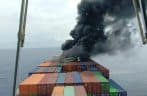
Geopolitical tensions between Thailand and Cambodia have triggered widespread border closures, disrupting cross-border trucking and forcing companies to reroute freight through Laos or maritime ports. This shift has led to longer transit times, higher costs, and bottlenecks at key ports like Laem Chabang and Khlong Toei.
Thai exporters are facing delays in garment, electronics, and consumer goods shipments, while Cambodian factories reliant on Thai raw materials have suspended operations or shifted to sea freight. Japanese and multinational firms with production bases near the border are activating contingency plans to maintain supply chain continuity.
This crisis exposes the fragility of ASEAN’s cross-border trade—particularly for companies using the “Thailand-plus-one” model. Long-term, it may accelerate investment in resilient infrastructure, diversified supply routes, and enhanced risk management systems.
WM Group advises logistics partners and clients to monitor developments closely and review contingency plans for freight routing, customs clearance, and port capacity.
#Articles #TradeDisruption #Thailand-Cambodia #BorderClosure #FreightStrategy