Dangerous Goods are articles or substances which are capable of posing a risk to health, safety, property, or the environment when transported. If not handled correctly, Dangerous Goods could harm you, the driver, receiver, other shipments or the environment.
If you’re not sure whether your shipment is dangerous or not, ask the manufacturer or supplier for a Material Safety Data Sheet (MSDS). If it contains a United Nationals (UN) number, it is a dangerous good.
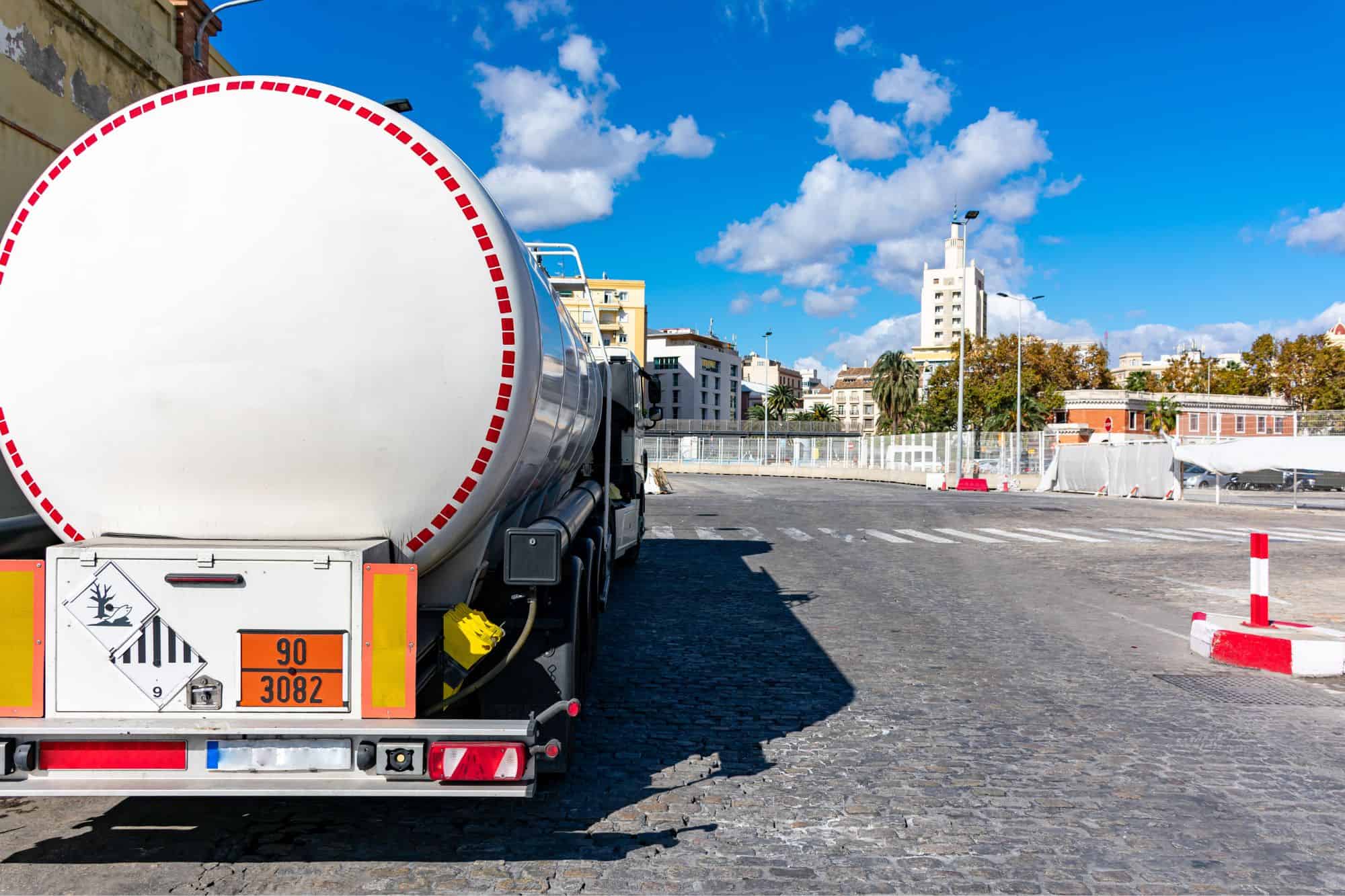
Located on the back or sides of trailers or other containers, UN numbers (or UN IDs) are four-digit numbers ranging from 0004-3534 that identify dangerous goods or hazardous substances — such as explosives, flammable liquids, or toxic substances — in the framework of international transport.
These numbers are assigned by the United Nations (UN) Committee of Experts on the Transport of Dangerous Goods, and must be listed on the Material Safety Data Sheet (MSDS) of each shipment. (Goods that aren’t classified or regulated by the UN are given four-digit North American (NA) numbers ranging from 8000-9279. These numbers are designated by the United States Department of Transportation (DOT).)
In addition to a UN number, the DOT requires cargo to carry Hazmat placards that help shippers determine its class, division, and compatibility group.
Similar to road or construction signs, these diamond-shaped hazmat placards alert the public that potentially hazardous materials are being hauled, as well as inform emergency responders which chemicals are present in case of an accident. Even if members of the public or first responders are unaware of exactly which materials are on board, the presence of hazmat placards lets them know that they should proceed with caution.
With rare exceptions, companies that transport hazardous materials without the use of DOT hazmat placards are at risk for stiff fines and other penalties.
It’s vital that anyone who works with or around hazardous materials can properly identify the various aspects of each hazmat placard, as well as the various classifications that each one represents.
CLASSIFICATIONS
Hazmat warning placards are broken down into nine different classifications, along with their divisions. Each class number is found at the bottom of the sign, while the division number can be found in the middle.
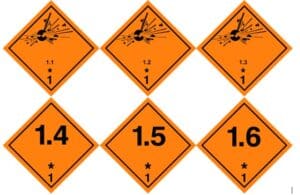
Class 1 — Explosive Materials
1.1: Products with the potential to create a mass explosion
1.2: Products with the potential to create a projectile hazard
1.3: Products with the potential to create a fire or minor blast
1.4: Products with no significant risk of creating a blast
1.5: Products considered very insensitive that are used as blasting agents
1.6: Products considered extremely insensitive with no risk to create a mass explosion
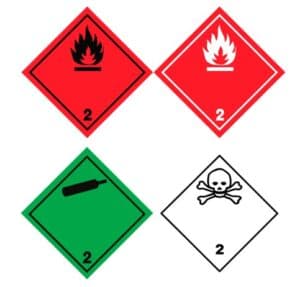
Class 2 — Gases
2.1: Flammable gases
2.2: Nonflammable gases
2.3: Toxic gases
Class 3 — Flammable and Combustible Liquids
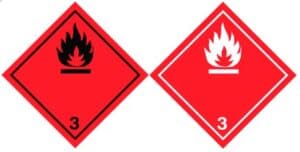
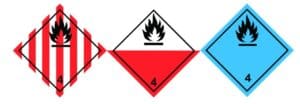
Class 4 — Flammable Materials
4.1: Flammable solids
4.2: Spontaneously combustible
4.3: Dangerous when wet
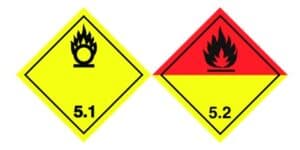
Class 5 — Oxidizer and Organic Peroxide
5.1: Oxidizing substances
5.2: Organic peroxides
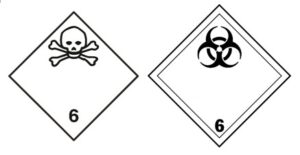
Class 6 — Poisons
6.1: Toxic substances
6.2: Infectious substances
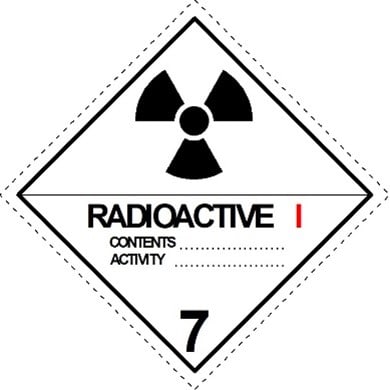
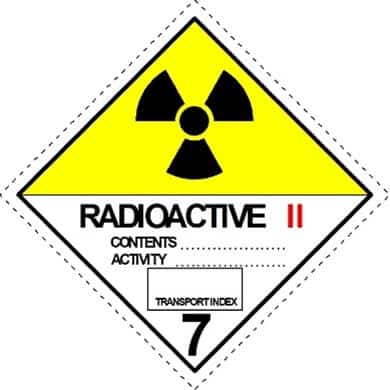
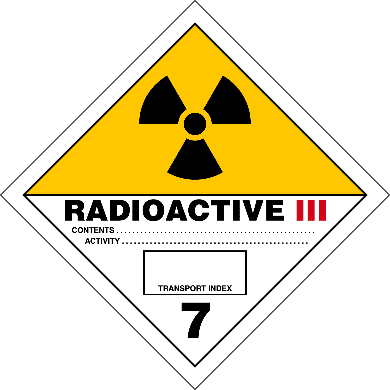
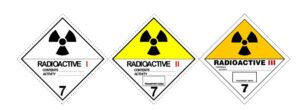
Class 7 — Radioactive Materials
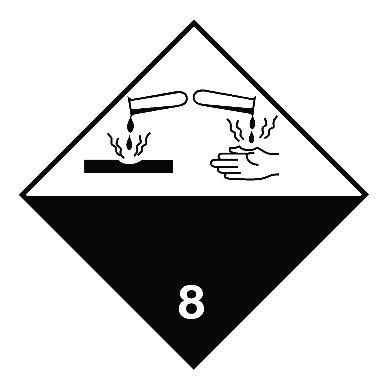
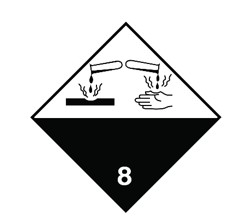
Class 8 — Corrosive Materials
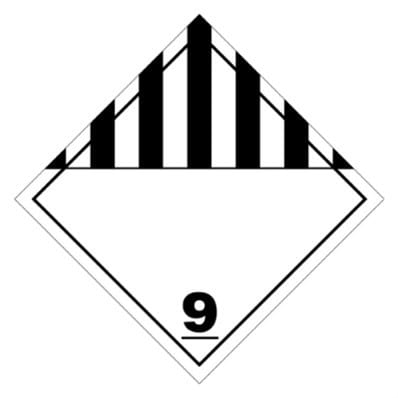
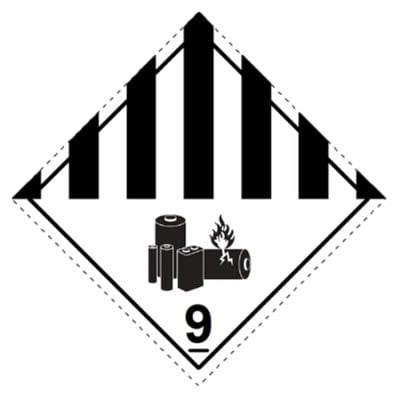
Class 9 — Miscellaneous Materials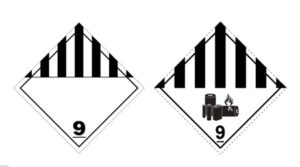





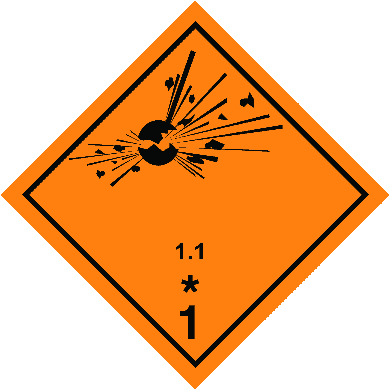
Division 1.1
Substances and articles which have a mass explosion hazard.
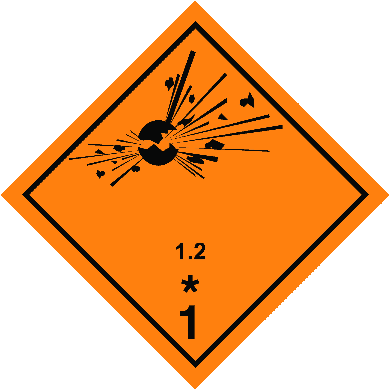
Division 1.2
Substances and articles which have a projection hazard but not a mass explosion hazard.
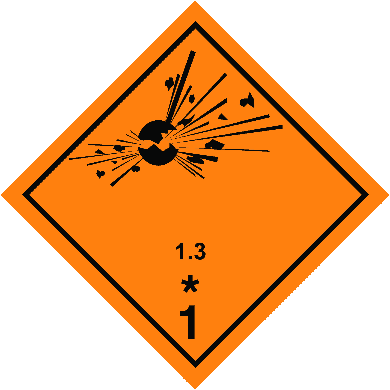
Division 1.3
Substances and articles which have a fire hazard and either a minor blast hazard or a minor projection hazard or both, but not a mass explosion hazard.
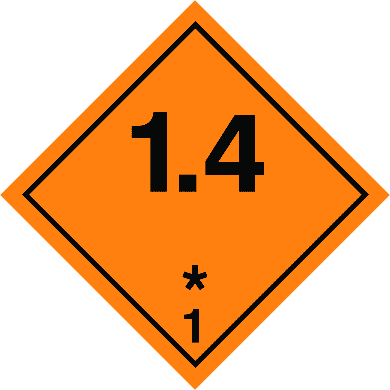
Division 1.4
Substances and articles which present no significant hazard.
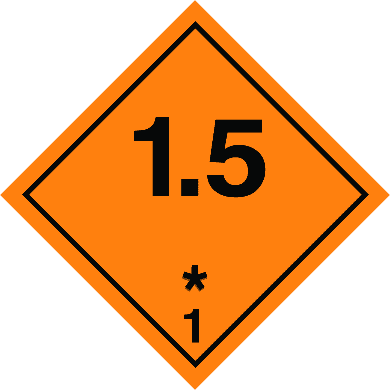
Division 1.5
Very insensitive substances which have a mass explosion hazard.
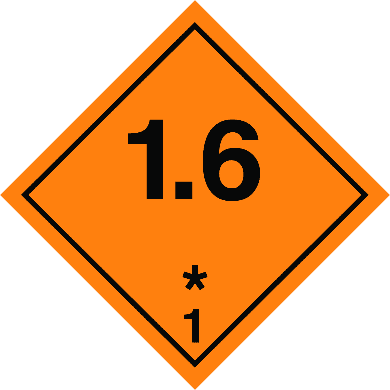
Division 1.6
Extremely insensitive articles which do not have a mass explosion hazard.
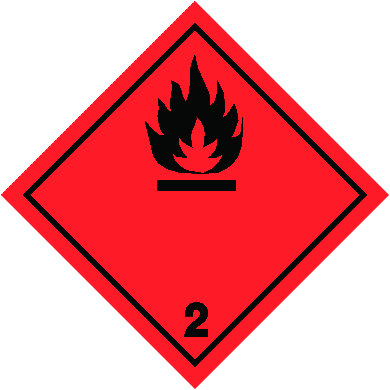
Division 2.1
Flammable Gases
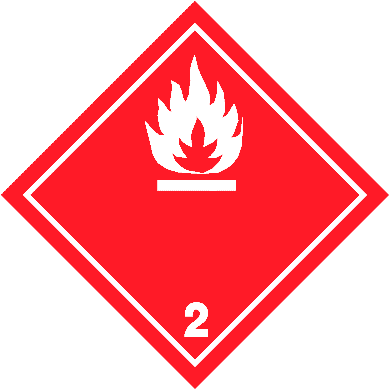
Division 2.1
Flammable Gases
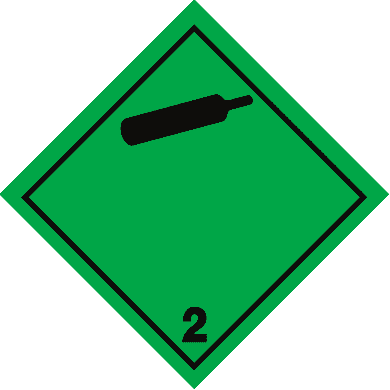
Division 2.2
Non-flammable, Non-toxic Gases
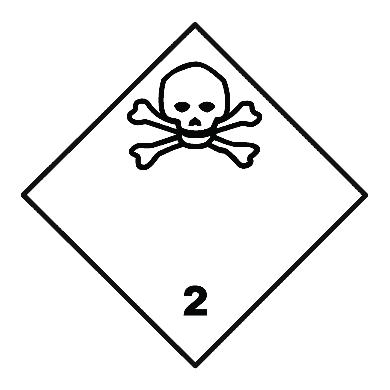
Division 2.3
Toxic Gases
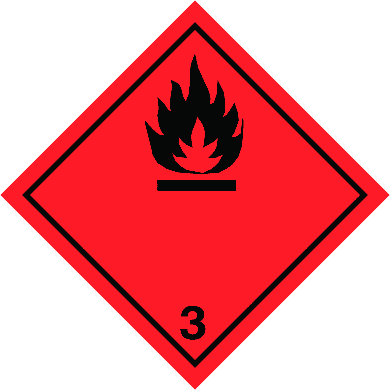
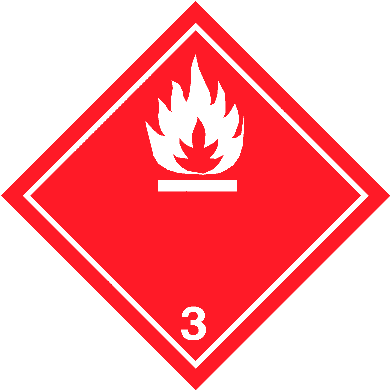

Division 4.1
Flammable solids, self-reactive substances and solid desensitized explosives and polymerization substances.
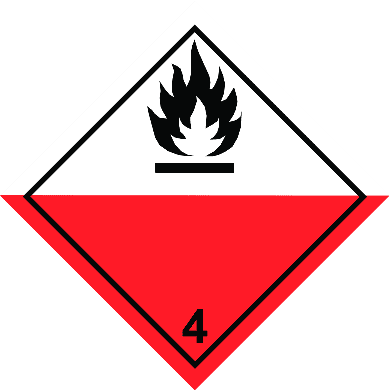
Division 4.2
Substances liable to spontaneous combustion.
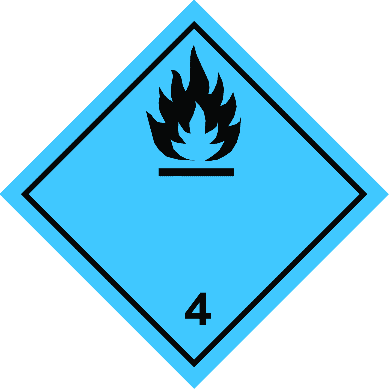
Division 4.3
Substances which, in contact with water, emit flammable gases.
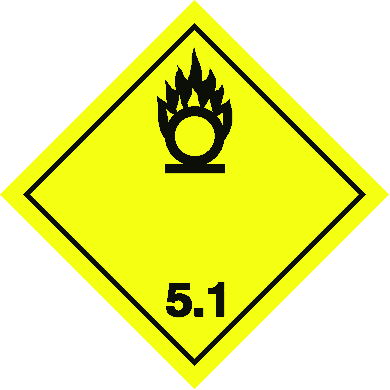
Division 5.1
Oxidizing Substances
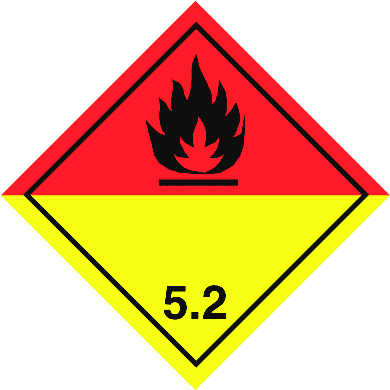
Division 5.2
Organic Peroxides
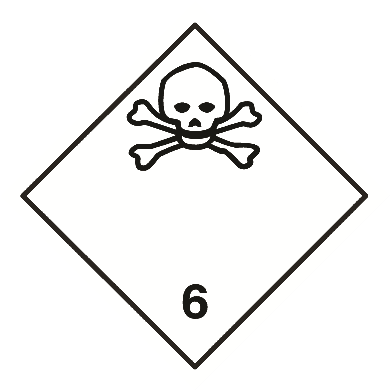
Division 6.1
Toxic Substances
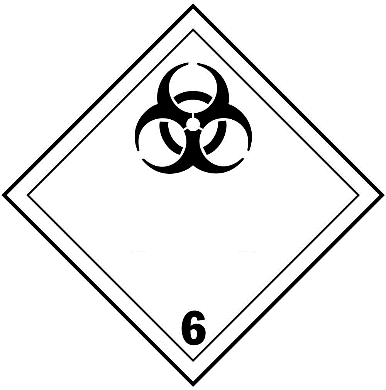
Division 6.2
Infectious Substances